An epicurean voyage across rolling vineyards, centuries-old market halls, Alpine cheese cellars, and Mediterranean coastal taverns. Curated for authentic food travellers.
We document the lineage of hyper-local recipes, seasonal harvesting windows, and family-run osterias often overlooked by conventional travel directories.
Deep dive into iconic masterworks prepared according to strict historical protocols.
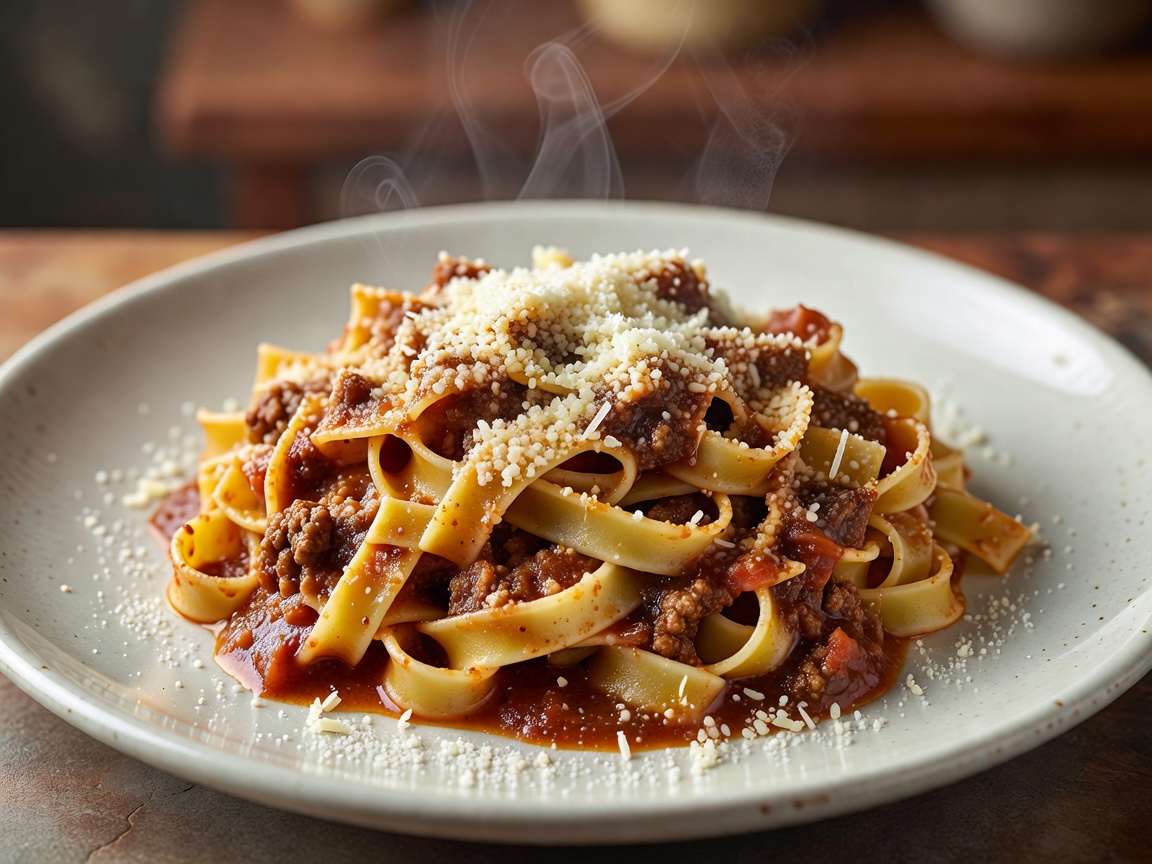
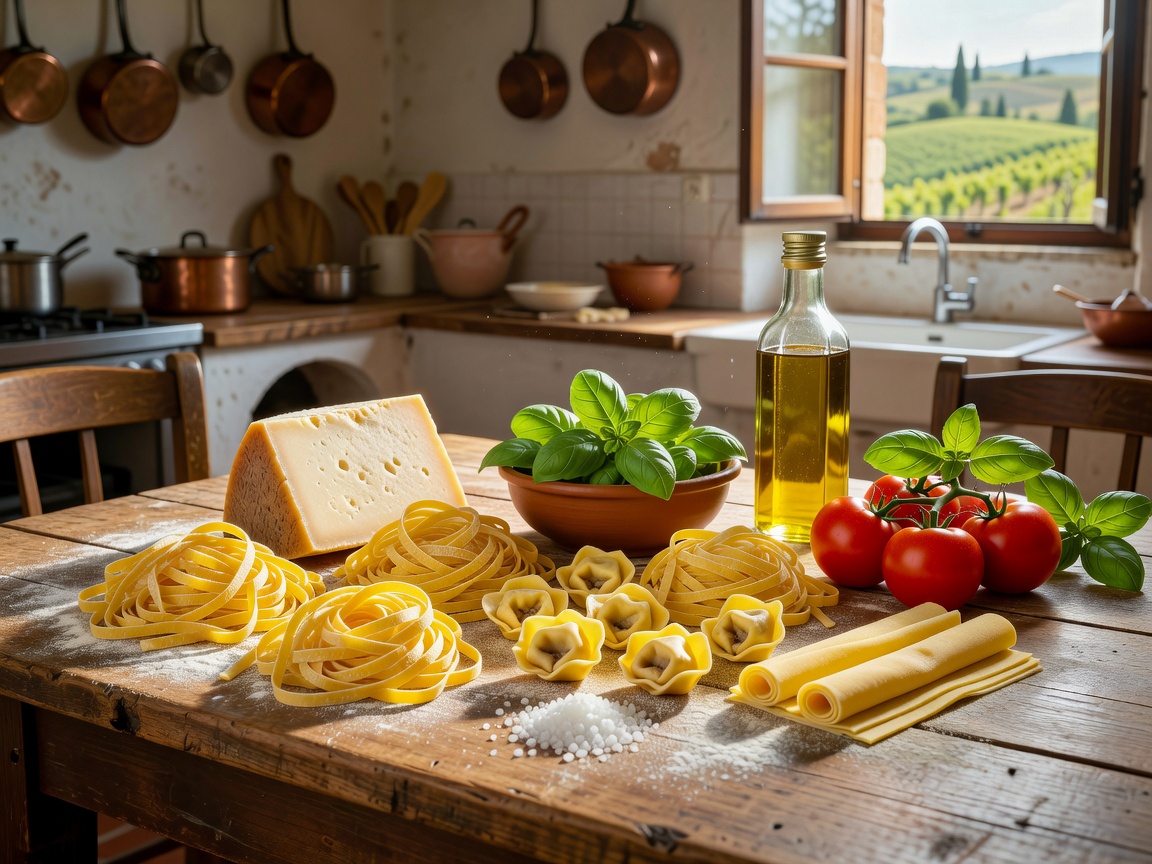
The official 1982 Accademia Italiana della Cucina recipe: coarsely minced beef skirt, pancetta, soffritto, whole milk, and gold-hued egg pasta ribbon.
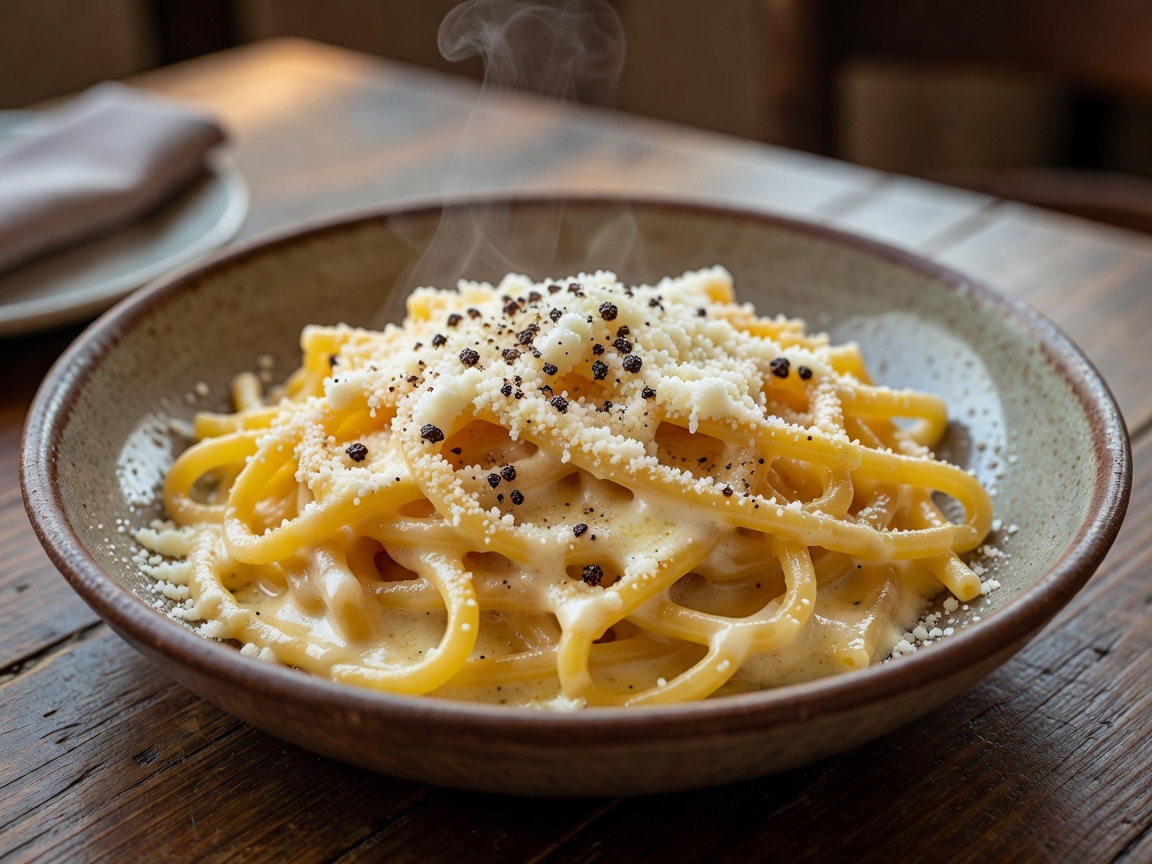
An elemental masterpiece requiring precise starch water emulsification, freshly cracked toasted Tellicherry peppercorns, and aged Pecorino Romano DOP.
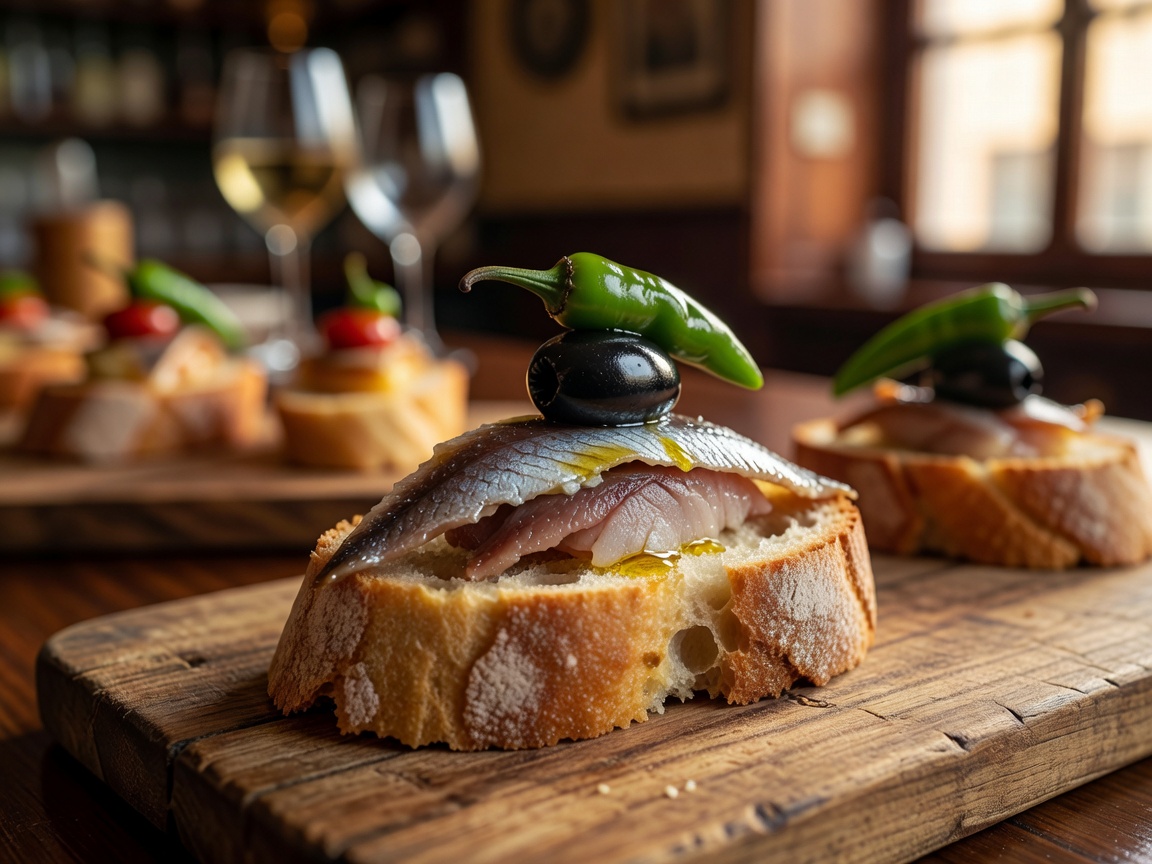
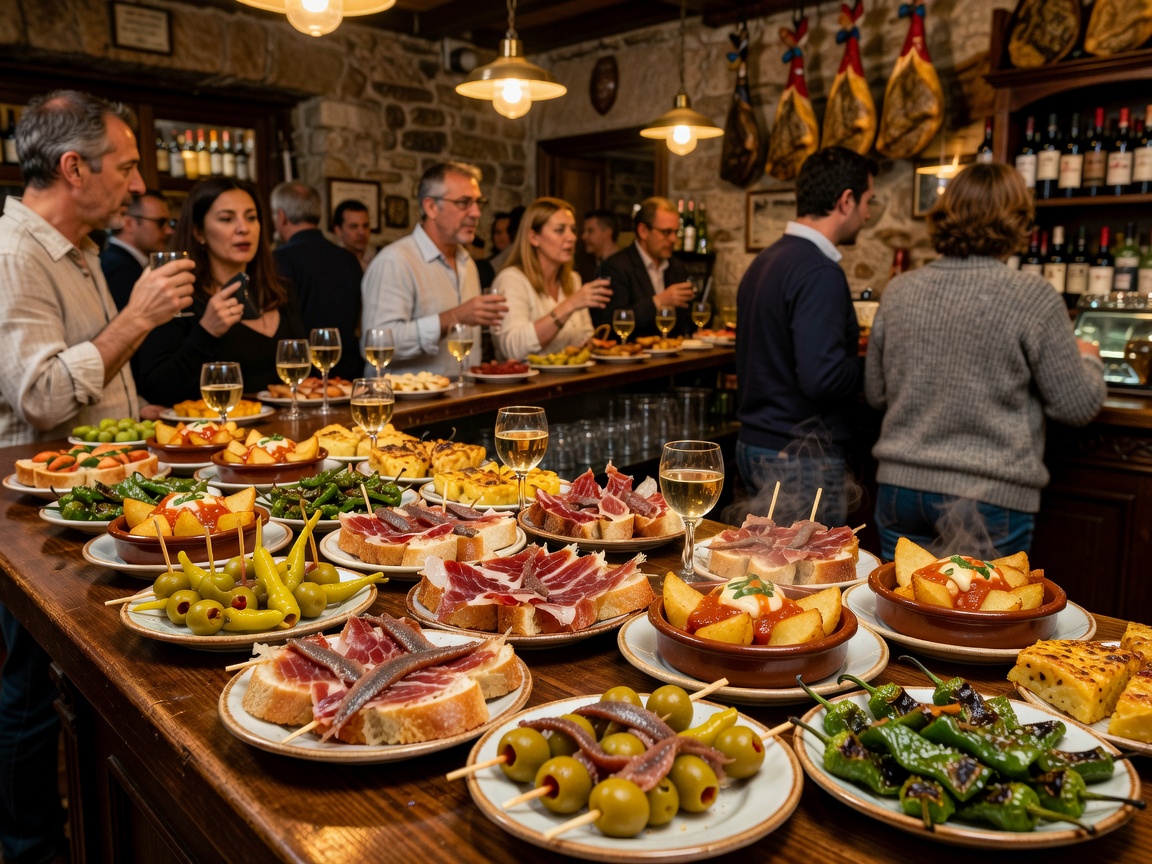
Invented at Bar Casa Vallés in 1948: a green olive, spicy Basque Guindilla pepper, and Cantabrian salted anchovy skewer designed to stimulate the palate.
Multi-day self-guided driving and rail routes optimized for food enthusiasts.
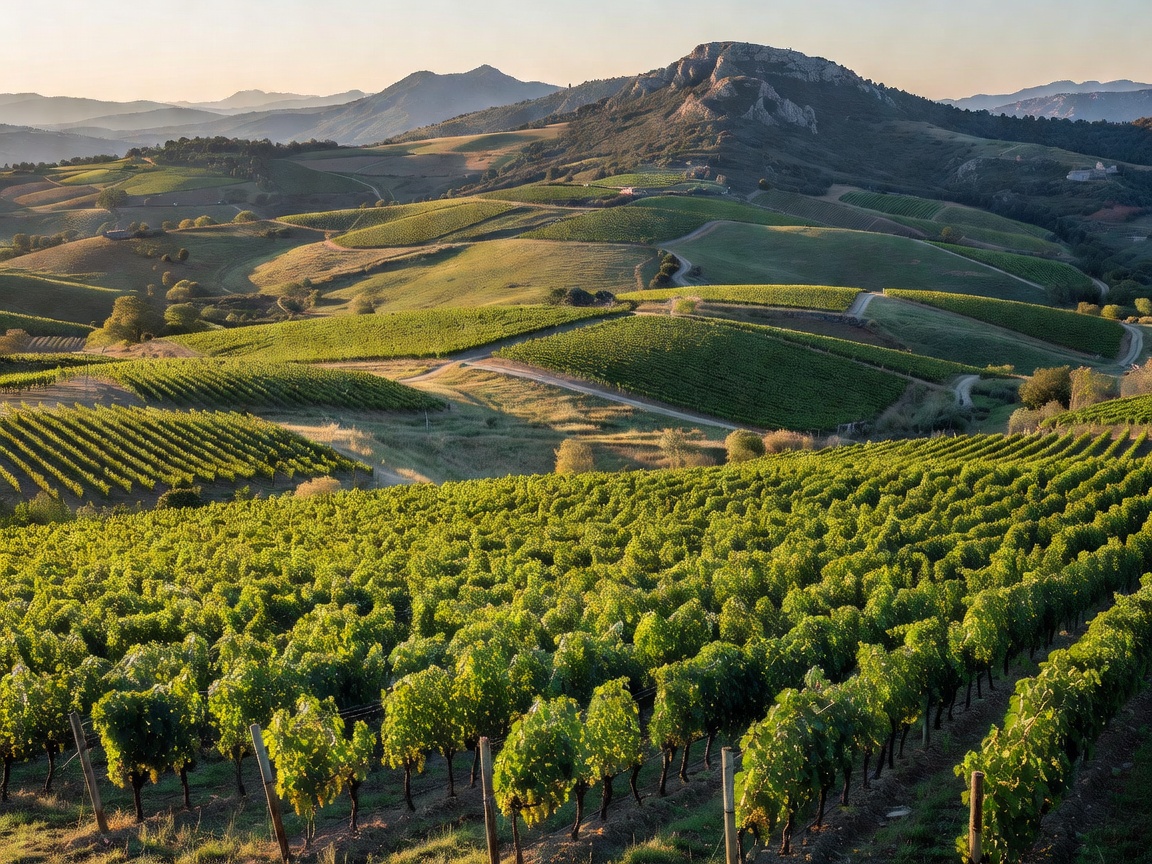
From the Michelin-starred cider houses of Astigarraga to the subterranean oak bodegas of Haro. Experience the world's highest density of culinary excellence.
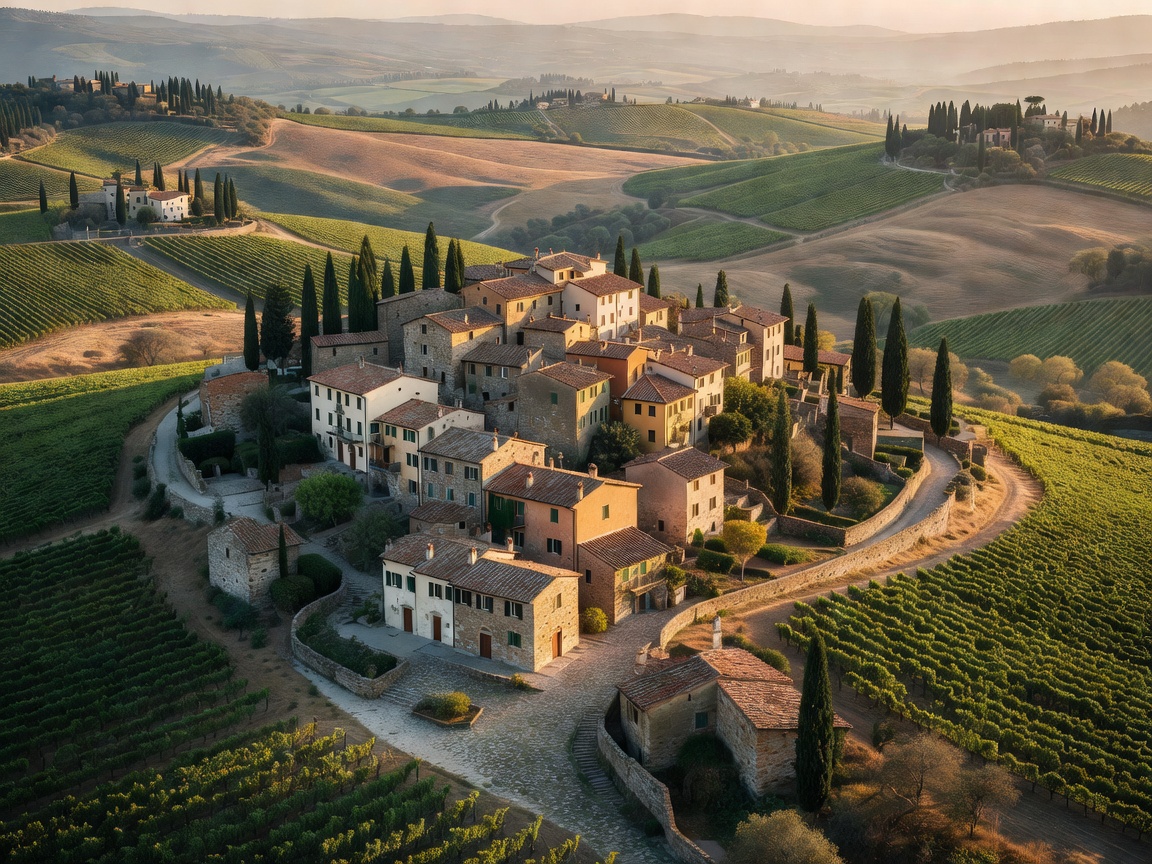
Trace the Roman road connecting Parma, Modena, Bologna, and Ferrara. Visit traditional acetaie, culatello aging cellars, and dawn market auctions.
Avoid tourist traps and honor dining traditions across the continent.
Never order a cappuccino or latte after 11:00 AM. Dairy is considered a heavy breakfast digestive disruptor. After meals, order un caffè (single espresso) taken quickly standing at the counter.
In San Sebastián and Bilbao, do not fill a giant plate at one bar. Order 1–2 specialty items and a small drink (zurito or txakoli), pay, and move on to the next bar on the street (el txikiteo).
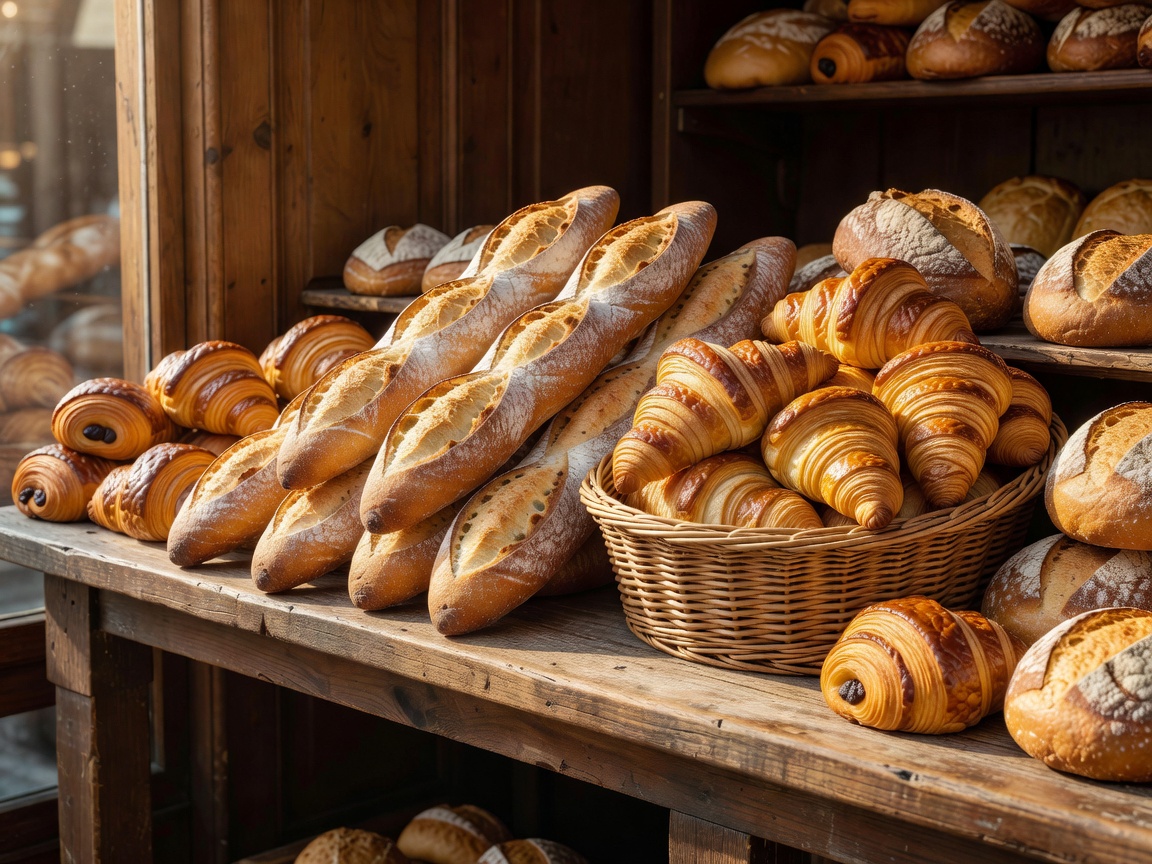
Bread is served with meals but is placed directly on the tablecloth (to the upper left), not on a side plate. Never butter bread during lunch or dinner unless it is accompanying fresh oysters.